
NetNugget — Seasonal Wardrobe
New York
Capsule building · autumn changeover
Building a wardrobe that works across seasons
A capsule that holds up means a small set of pieces you actually wear, plus a few trend-facing items that rotate through. Here is how the seasons between seasons stop being the problem.
Monday–Friday, 9:00 AM – 6:00 PM · 452 W Broadway, New York
Read the seasonal trend guide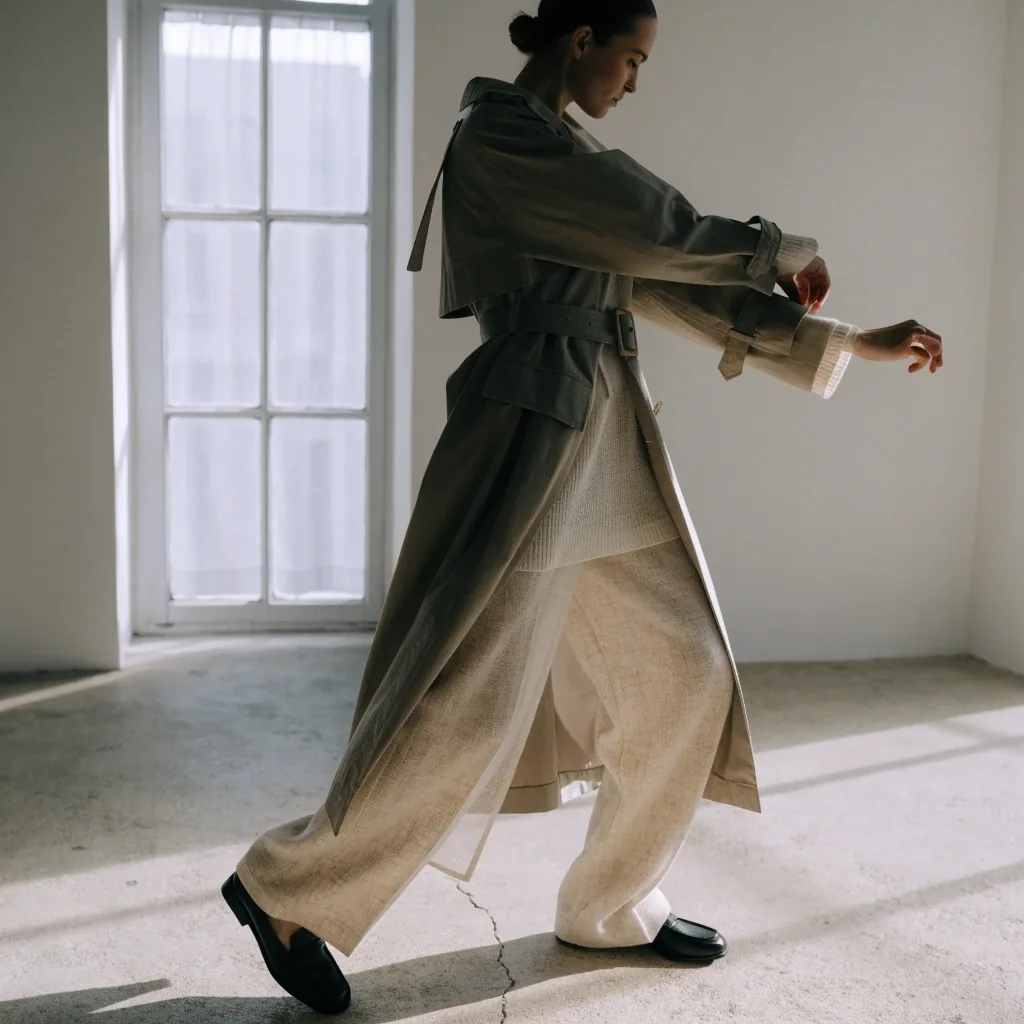
Where a seasonal wardrobe breaks
It fails in two places: the weeks between seasons, when it is too warm for a coat and too cold for a shirt, and the weeks when a trend pulls you away from everything you wear.
Start with your week, not your hangers
Count the situations you dress for: office days, walking distance, how cold it gets where you live. That count decides what the wardrobe needs.
One layer beats three coats
A single good transitional layer carries more of the year than three seasonal coats stacked in a closet. The trench is the working example.
Denim holds the middle
Straight-leg and vintage-inspired cuts sit comfortably under both narrow and voluminous tops, which is why denim keeps its place across seasons.
The two gaps
The shoulder season and the trend pull are both solved by the same small set of pieces.
This page is about closing both gaps with pieces that hold up across seasons, plus a few trend-facing items that rotate through rather than reset the wardrobe. Nothing here requires a large purchase.
Between seasons
A trench layers over a knit without bulk and over a slip dress without weight.
Trend pull
Trend pieces belong at the edges of a capsule, on top of a stable base.
What a capsule wardrobe is not
It is not a fixed number of items, and it is not a uniform. The versions of this idea that circulate online often assume a climate with four mild seasons and a job without a dress code, which describes very few people in the United States. A working capsule is built around your actual week: how many days you are in an office, how much you walk, how cold it gets where you live.
So the first exercise is not a shopping list. It is a count of the situations you dress for — weekday commute, weekend errands, a dinner that expects something considered, the days you walk twenty minutes in the cold. Write that count down. Everything after this point is judged against it, which is why two people building a capsule in the same city can end up with different wardrobes and both be right.
Start by counting the situations you dress for, not the hangers you own. If the count changes — a new commute, a colder apartment, more days on your feet — the wardrobe should change with it, and usually only in one or two places.
The transitional problem
The hardest part of the year is the shoulder season. A trench coat handles more of it than almost anything else, because it layers over a knit without adding bulk and works over a slip dress without looking heavy. Nanushka's pre-fall 2026 focus on transitional outerwear speaks to the same problem, and the label's approach — functional shapes with a modern cut — is a useful reference when you are choosing one.
When you compare trenches, the details that decide whether you wear it for ten weeks or two are small: a hem that clears the knee so it works over both trousers and dresses, a belt you can actually tighten, a sleeve that sits over a knit without pulling at the shoulder. Belted or unbelted matters less than whether the coat closes comfortably over the layer you wear most.
What to check on a transitional coat
- Hem length against the two layers you wear most
- Shoulder room over a fine knit, not a t-shirt
- A closure that works open and buttoned
- Fabric weight that creases less than it hangs
One good transitional layer does more for a wardrobe than three seasonal coats.
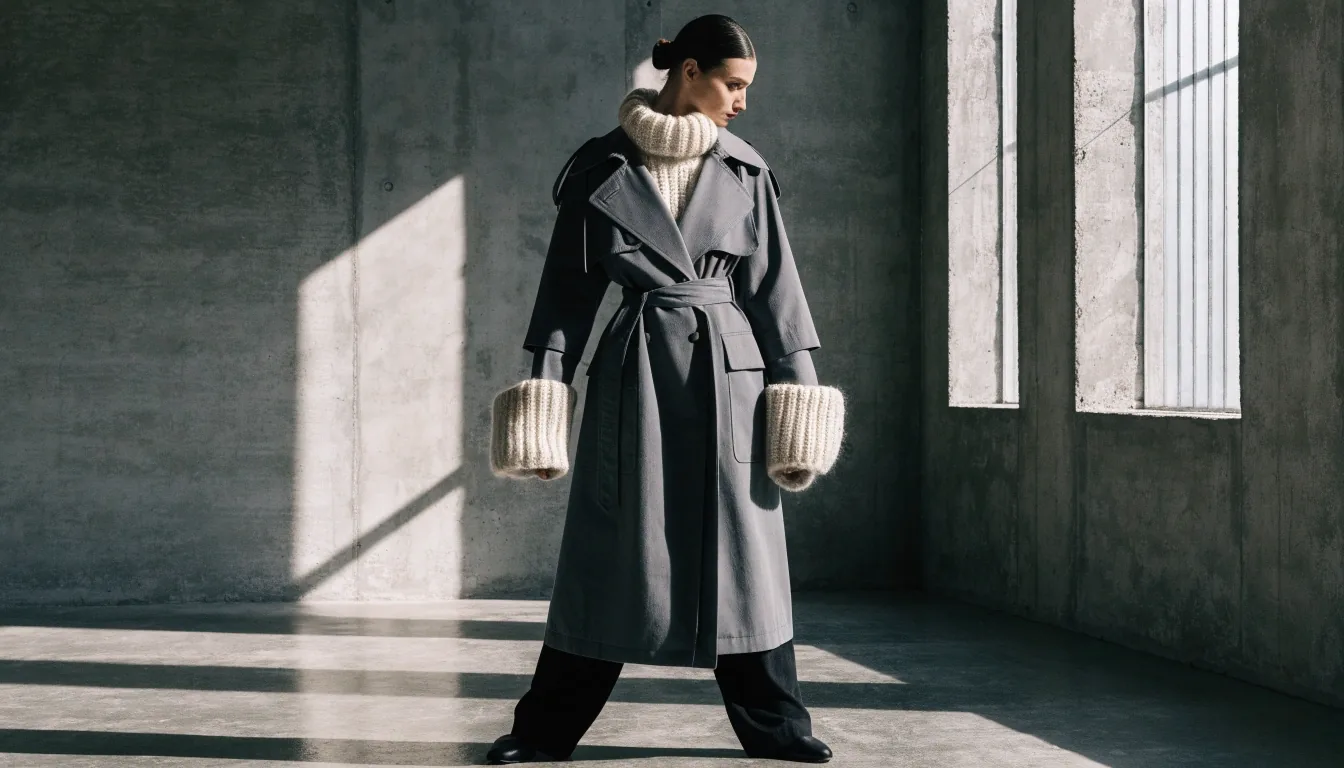
The sleeve is where a trench either works over a knit or fights it. Check the drape at the elbow before the mirror view.
Denim as the constant
Straight-leg
The cut that sits under narrow tops and voluminous tops without adjusting either. It is the safest single pair if you own only one.
Vintage-inspired
A higher rise and a slightly looser leg, which reads considered rather than casual when paired with a tailored layer.
Second wash
A second pair in a different wash extends the range further than a second pair in the same wash. That is the whole reason to own two.
Jeans are one of the most durable pieces in fashion coverage for 2026, and Levi's remains one of the most recognizable denim names in the United States. Straight-leg and vintage-inspired cuts are the practical reference points, because they sit comfortably under both narrow and voluminous tops — which is what lets one pair carry a whole week of outfits.
The bar jacket and the tailored layer
A structured jacket is the piece that turns a plain outfit into a considered one. Chanel's association with bar jackets and skirt suits in 2026 is the reference to keep in mind, particularly the softened shoulder that lets the jacket sit over a knit or a slip without strain. If you own one tailored layer, make it the one you can button.
A bar jacket earns its place because it changes the register of everything under it. Over jeans it reads deliberate; over a slip it reads evening; over a fine knit it reads like the weather is being handled. That range is what a single tailored layer buys you, and it is why the fit matters more than the label inside the collar.
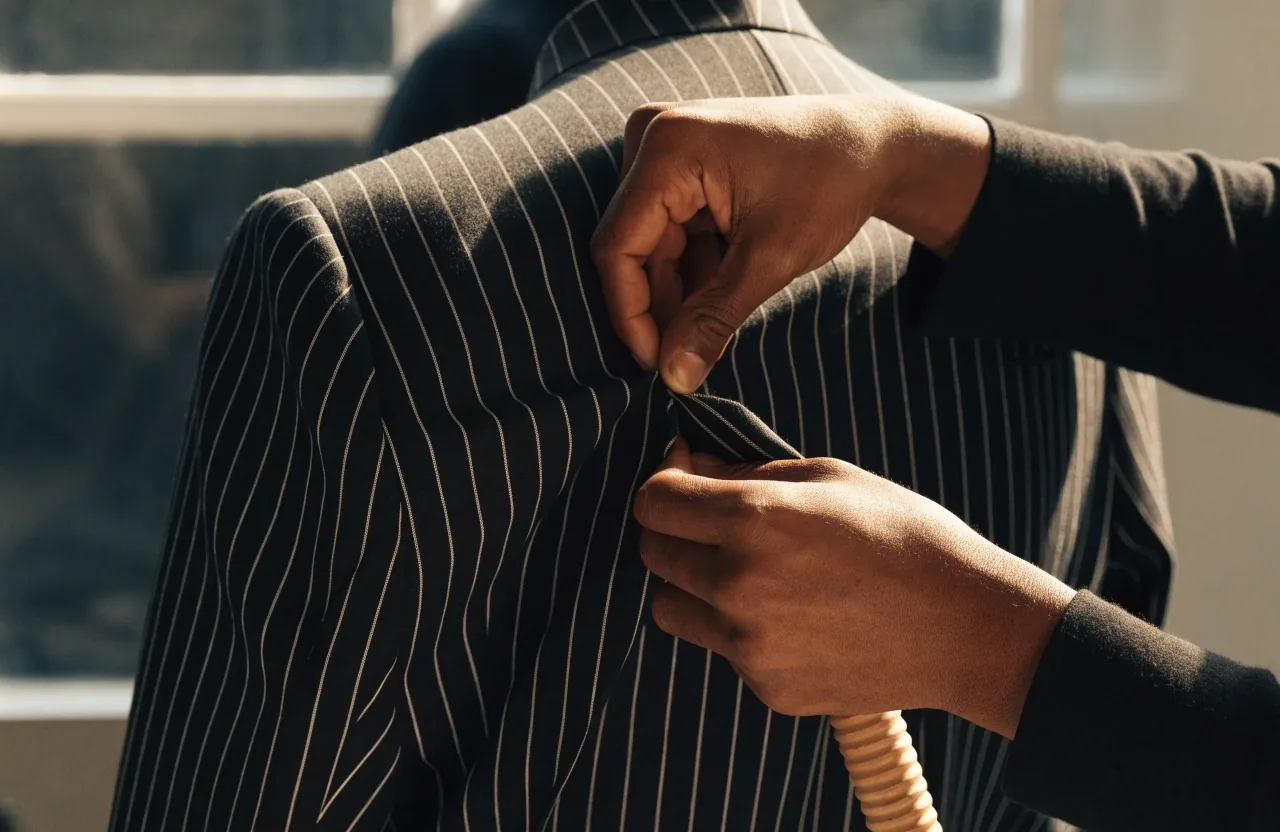
Fit is the whole return on a tailored layer.
Knits, slips, and the layering pair
Two layers in different weights cover most of the year. A fine knit over a slip, a heavier knit over a shirt, a sheer layer under something opaque: Valentino's fall 2026 use of lingerie-inspired slips and sheer layering is the reference for how this reads when it is done deliberately.
Buy the two layers together rather than separately. They only work as a pair — the slip decides the neckline, the knit decides the volume, and picking them in one session is how you avoid a drawer of pieces that never meet.
Fine knit over a slip
Covers the warm end of the shoulder season and the cool end of summer evenings. The slip handles the drape; the knit handles the temperature.
Heavier knit over a shirt
The cold-week combination. A collar under a knit reads intentional; the same knit over a t-shirt does not, which is the whole difference.
Sheer under opaque
The layer that makes a plain outfit look planned. Keep one sheer piece and let it sit under the solids you already own.
What to prepare
Bring the layer you wear most when you try these on. A pair that only works over one base is not really a pair.
Outerwear and one piece with texture
Beyond the trench, one substantial coat carries the coldest weeks. Leather is a strong option this season: Bottega Veneta appears among the brands showing chic leather shifts in fall 2026, and the same material logic applies to outerwear, where a piece that holds its own shape reduces how much layering you need underneath.
If you add only one item this year, make it the one with texture. Texture survives trend changes better than color — a color you tire of is a piece you stop wearing, while a weave, a grain, or a surface that catches light stays useful through more than one season of trends.
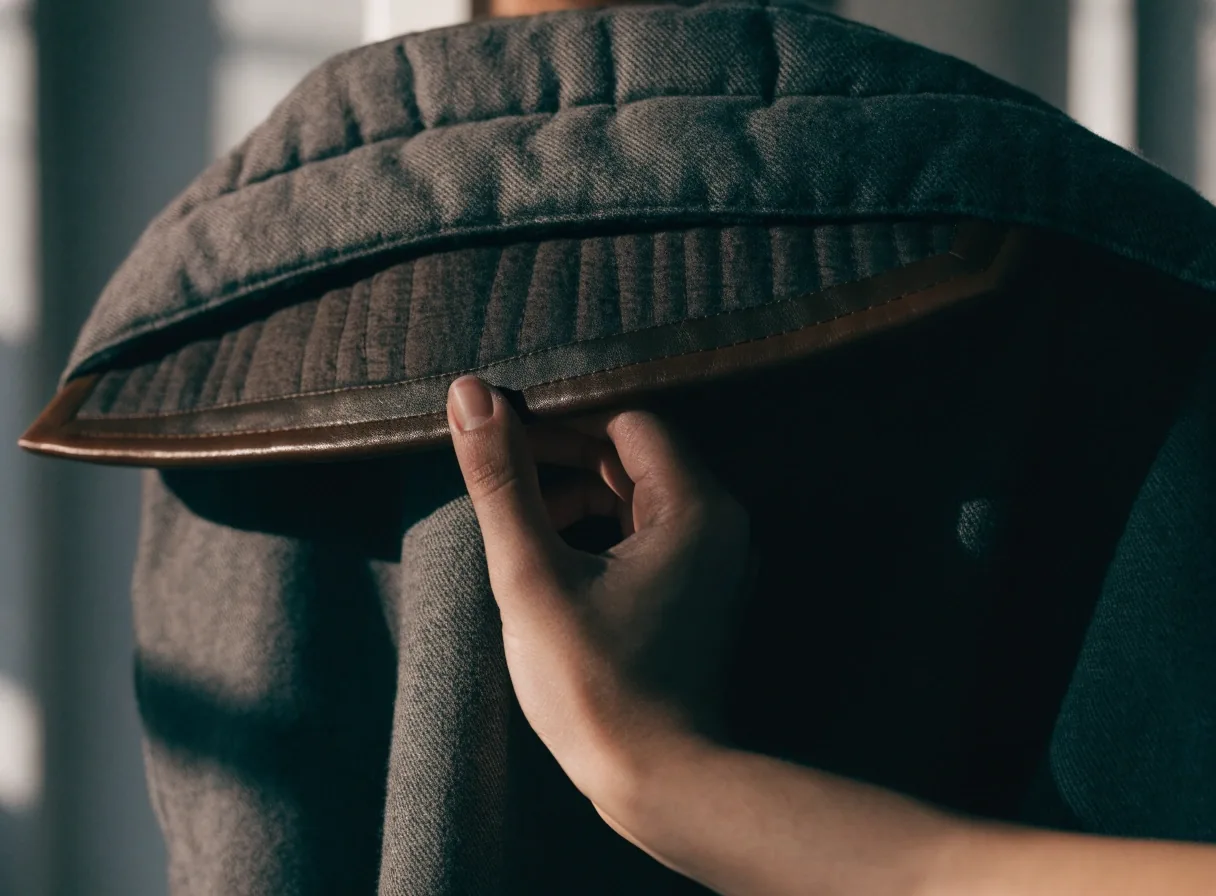
Texture is the part of a coat that keeps working after the trend that introduced it has moved on.
Where trend pieces fit
Oversized polka dot
A print trend that sits on top of a stable base without disturbing it. Khaite's summer 2026 association with oversized polka dots is the reference — the print does the talking, the base stays quiet.
Jagged, unfinished detail
A surface trend rather than a print one. Prada's fall 2026 link to deconstruction is the reference, and it works best on a hem or a seam where the rest of the piece stays clean.
A sheer layer
The easiest trend to rotate because it changes the outfit without changing the base. One sheer piece can move across several combinations before it feels used.
Each of these can sit on top of a stable base without disturbing it, which is exactly what a trend piece is for. The rule is one trend-facing element per outfit — the base stays quiet so the trend reads as a decision rather than an accident.
Through the year
Maintaining the wardrobe at the two changeovers
Review at the two changeovers, in early spring and early fall, and be honest about what you did not wear. Store the off-season pieces clean. Repair before replacing, especially on denim and outerwear, where a small fix extends a piece by years.
Nothing here requires a large purchase, which is why we write about it on a site that does not sell anything.
Early spring
Move the heaviest knits and the substantial coat to storage; the trench and the fine layers take over.
Early fall
Return the outerwear and heavier knits; check denim and coat seams for anything that needs repair.
Be honest about wear
A piece that went unworn for two seasons is telling you something about your week, not your taste.
Repair first
A hem, a button, a seam on denim or a coat — small fixes keep pieces in rotation far longer than replacing them.
A capsule is built around your actual week, not a number of items.
From Building a wardrobe that works across seasons, NetNugget
Where to take this next
What rotates through
How a cut changes everything
Layering, written out
The references behind the pieces
A wardrobe question, answered
Questions we get about seasonal wardrobes
A few things readers ask most often when they start cutting a wardrobe down to what works across seasons.
How many pieces should a capsule hold?
There is no fixed number. A working capsule is sized to your week — office days, walking distance, how cold it gets where you live. Count the situations first, then let that count decide how many pieces are actually needed.
Which single layer carries the shoulder season?
A trench coat handles more of it than almost anything else. It layers over a knit without adding bulk and works over a slip dress without looking heavy, so it covers the weeks when a coat is too much and a shirt is too little.
Do I need two pairs of denim?
Only if the second pair is a different wash. A second pair in the same wash does not extend the range; a different wash does. Straight-leg and vintage-inspired cuts are the practical reference points.
How many trend pieces can one outfit take?
One. Trend items belong at the edges of a capsule, sitting on top of a stable base without disturbing it. Two or three at once stop reading as a decision and start reading as noise.
How often should the wardrobe be reviewed?
Twice a year, at the early spring and early fall changeovers. Store the off-season pieces clean, and repair before replacing — a small fix on denim or outerwear can keep a piece in rotation for years.
Send us a wardrobe question
NetNugget is an editorial resource, not a shop. If something on this page does not fit the way you dress, write to the editors and we will take it up in a later guide. Reach us Monday to Friday, 9:00 AM – 6:00 PM, at 452 W Broadway, New York, NY 10012, by phone on +1-212-555-0198, or by email at info@netnugget.com.