
Sequence layers by weight
Stacking layers of the same weight is the most common styling mistake. Change one variable and the outfit gains structure without gaining bulk.
Seasonal trend guides and designer references for readers in the United States
Styling Notes · NetNugget
A trend only matters once it is on a body, in a situation. These notes are about the mechanics: how to sequence layers, how to combine textures, where to place an accent, and how to keep a silhouette intact when you are wearing three things at once. Nothing here requires a new purchase, though some of it works better with one.
Read the silhouettes and fit guide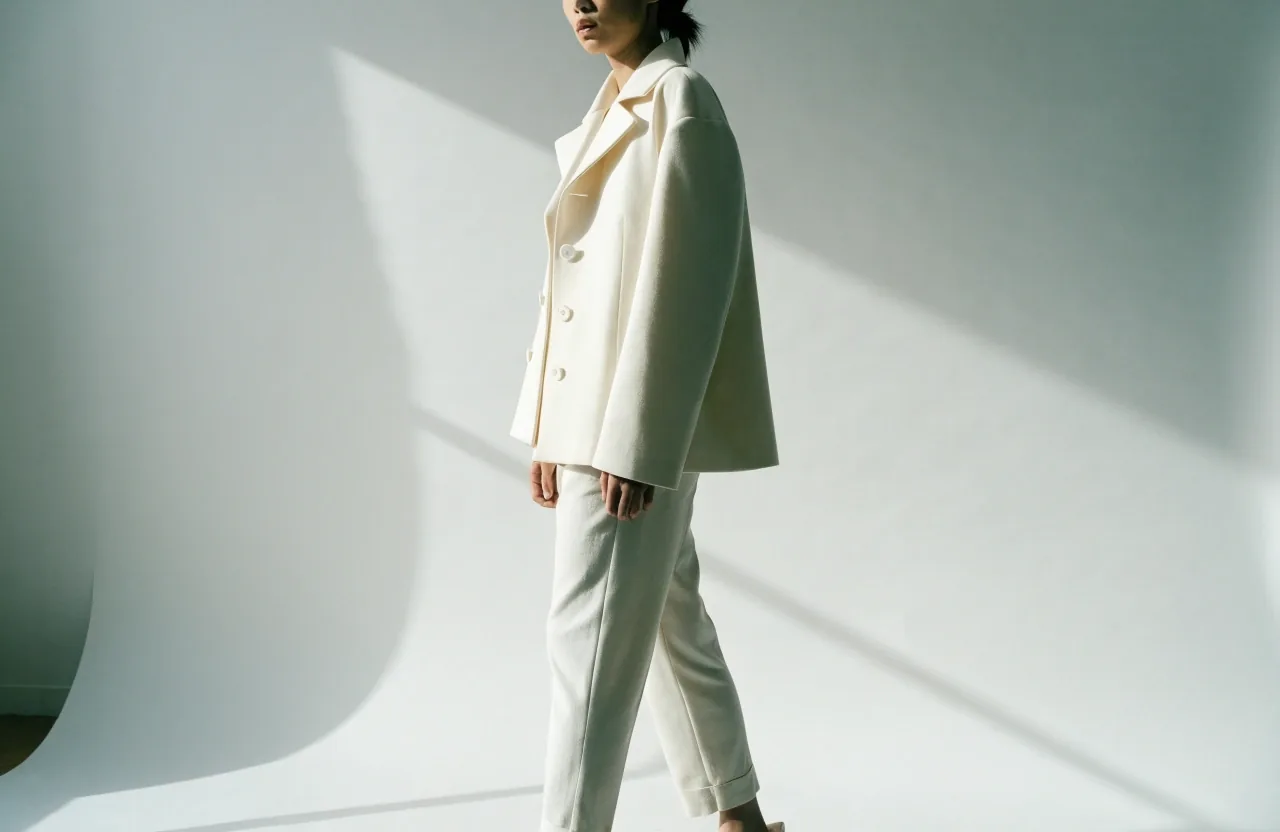
Stacking layers of the same weight is the most common styling mistake. Change one variable and the outfit gains structure without gaining bulk.
A leather shift, a heavy rib knit, a raw edge or a glossy fabric changes how an outfit reads without touching the palette.
Wide trousers want a close top. An enormous coat wants thin layers underneath. Two large elements rarely read as intentional.
Pick one thing to be loud — a saturated color, a strong print, an unusual shoe — and keep everything else quiet.
Every note below answers the same question: how do these pieces sit together on a real body, in a real day?
Starting point
Build around the longest part of your day
Working rule
Change one variable, keep the rest still
Finish layer
A structured jacket over anything soft
Exit test
If it reads as a costume, something heavy is missing
Khaite's fall 2026 association with transparency and layered looks is a useful model here.
The single most common styling mistake is stacking layers of the same weight. A medium knit over a medium shirt produces a single mass with no visible edges.
Change one variable. Put a fine layer under a heavy one, or a sheer layer under something opaque, and the outfit gains structure without gaining bulk. The eye reads the transition between the two weights as a line, and that line is what makes the outfit look composed rather than bundled.
The sheer piece is placed where it can be seen, and the heavier piece does the covering.
That order matters more than the pieces themselves. A fine knit under a heavy coat, a sheer sleeve under a solid shoulder: the light layer stays visible in the gaps, and the outfit keeps depth without carrying extra weight through the day.
Test the sequence before you commit to it.
Put the outfit on, sit down, raise both arms. If the layers separate into one shapeless block, the weights are too close. Swap the innermost layer for something finer or the outer layer for something heavier, and try again.
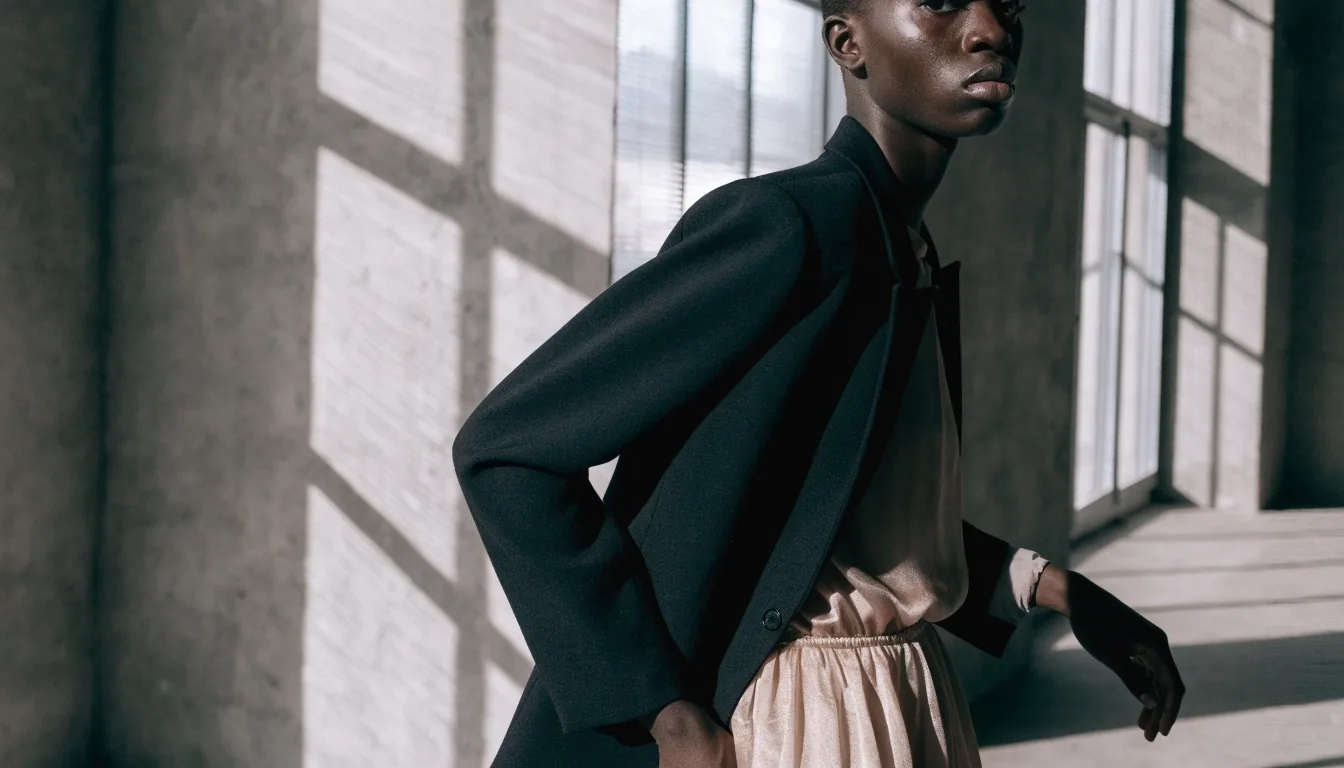
Where the two weights meet: a fine layer under a heavy one, with the sleeve left open at the elbow.
Romance reads better against something substantial.
A slip under a wool coat, a sheer skirt with a leather jacket, a lace detail beside a crisp shirt. Valentino's fall 2026 use of lingerie-inspired slips and sheer layers works on exactly this principle. The contrast does the work, so neither piece has to be extreme on its own.
If a delicate piece feels like a costume, it is usually missing its heavy counterpart. The fix is rarely to soften the heavy piece; it is to make sure the heavy piece is genuinely heavy, so the light one has something to read against.
Slip + coat
Keep the coat long enough to cover the slip's hem, and let the slip show at the neckline or cuff.
Sheer skirt + leather jacket
The jacket stops at the hip so the skirt's volume stays visible below it.
Lace + crisp shirt
Let the lace sit at the collar or cuff, where the shirt's clean line frames it.
Soft knit + tailored trouser
A soft top against a pressed trouser reads as deliberate rather than undone.
Two large elements in one outfit rarely read as intentional. Choose where the volume lands and keep it there.
Working note · volume and proportion
If the trousers are wide, the top should be close or the shoulder should be clear. If the coat is enormous, the layers underneath should be thin. Prada's fall 2026 deconstruction and jagged tears is a reminder that disruption works best against a controlled base, and the same applies to proportion.
A wide-leg trouser with a boxy top is the fastest way to lose a waistline. Swap the top for something close, or open the trouser to a straighter leg, and the same silhouette starts reading as a choice rather than an accident.
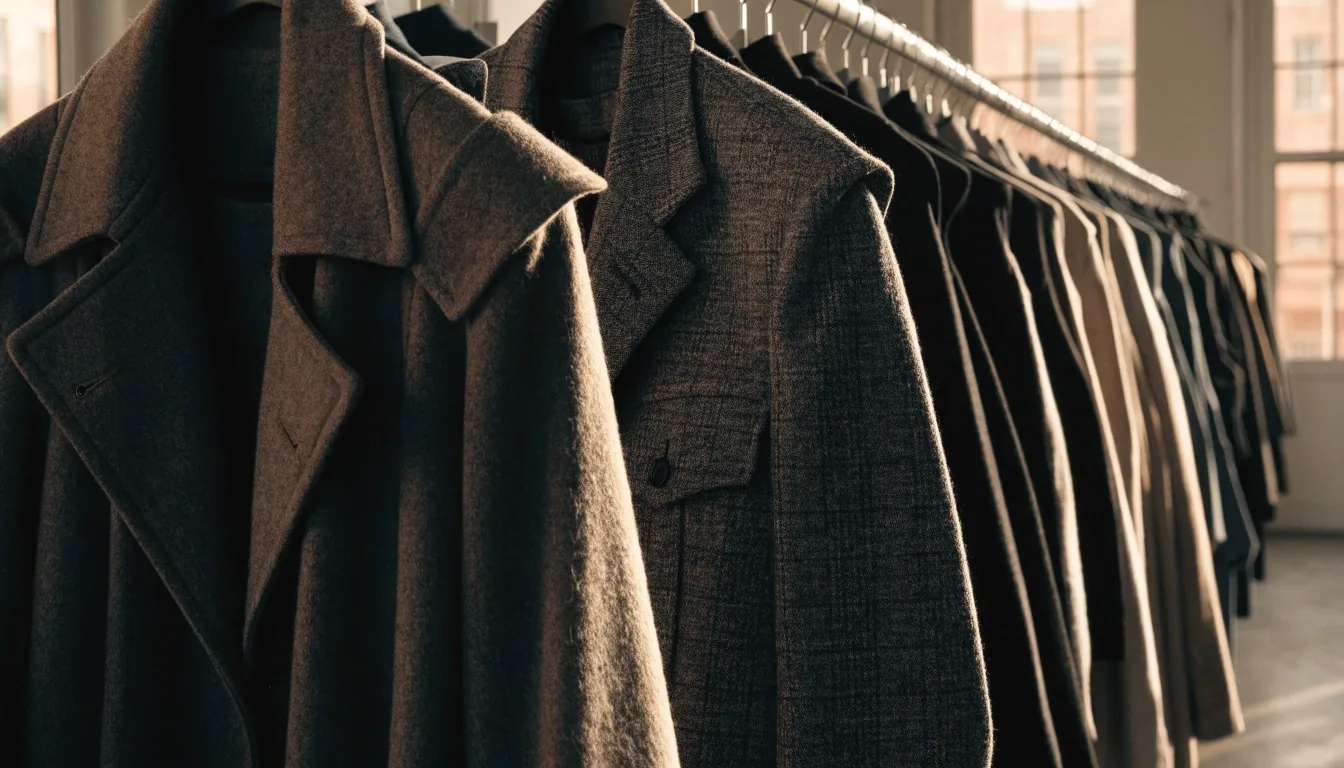
Reading proportion: where the volume sits in a row of silhouettes.
Texture is a more durable accent than color.
A leather shift, a heavy rib knit, a raw edge, a glossy fabric: any one of these changes how an outfit reads without changing its palette. Bottega Veneta's association with quality texture and clean shapes in fall 2026 shows how far material alone can carry a look.
Keep everything else matte and simple.
If you are building around one interesting piece, the rest of the outfit should step back. One shiny surface against three matte ones reads as a decision; four competing finishes read as noise.
Let the hand of the fabric do the talking.
Heavy cotton twill, washed denim, brushed wool and raw silk each catch light differently. Standing near a window tells you more about how a fabric behaves than any tag will.
Repeat a texture, never a color.
The same rib knit on a top and a sock reads as a deliberate set. The same bright color on three pieces usually reads as an accident, because the eye has nothing to rest on.
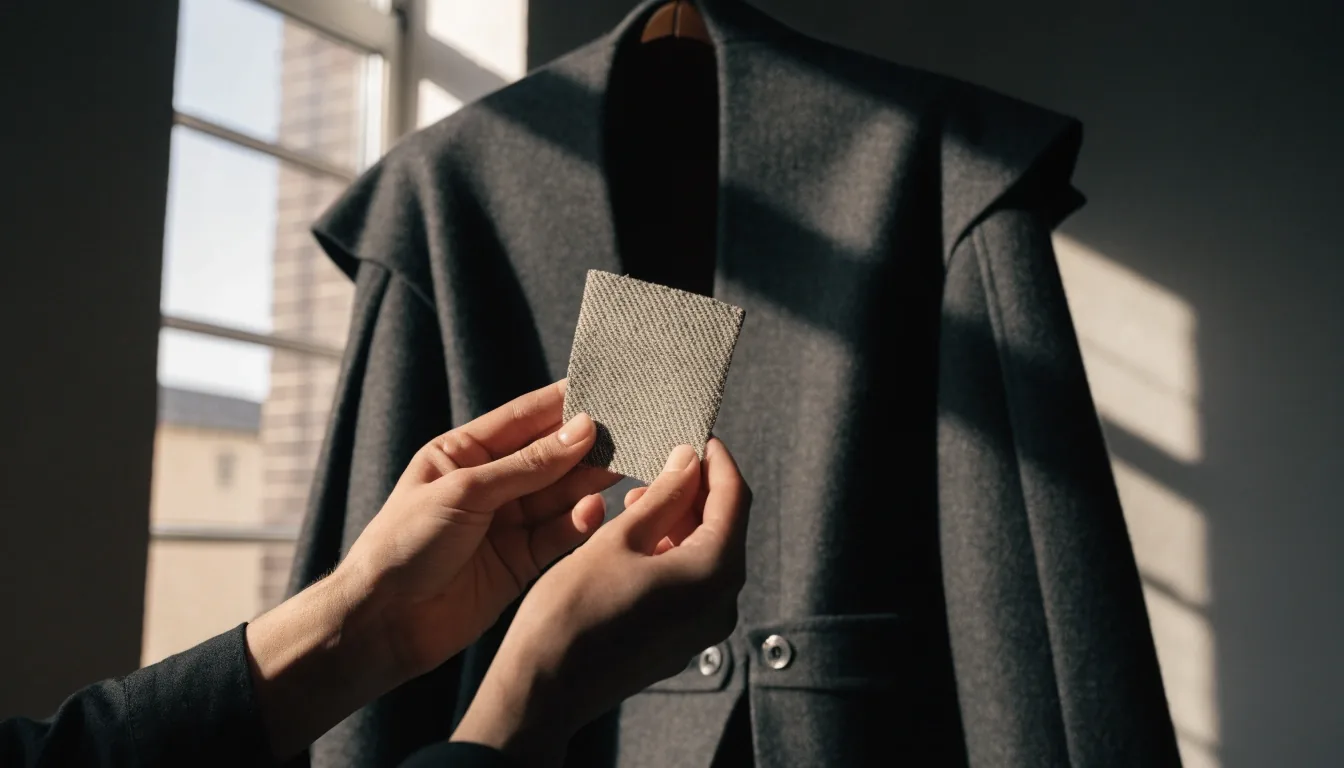
A heavy twill at close range: the weave does the work that a print would otherwise have to do.
Oversized polka dots, like the ones Khaite is connected to in summer 2026, stop reading as a small motif and start behaving like a graphic block.
When a print is scaled up, treat it as a solid. That means the rest of the outfit should be quiet, and the silhouette should be simple enough that the print is not competing with construction. One printed element per outfit is usually enough.
The test is distance. Step back from the mirror and see whether the print reads as a shape or as a texture. If it reads as a shape, it is doing the same job as a strong color, and the rest of the outfit should be built to support it, not answer it.
Denim as the stabilizer
Jeans solve proportion problems quickly. A wide-leg trouser can feel like a commitment; a straight-leg jean in the same volume is easier to wear and easier to judge. Levi's remains one of the most recognizable denim names in the United States, and straight-leg and vintage-inspired cuts are the reference points that pair most easily with this season's softer tops. When a new silhouette is not working, try it with denim before you give up on it.
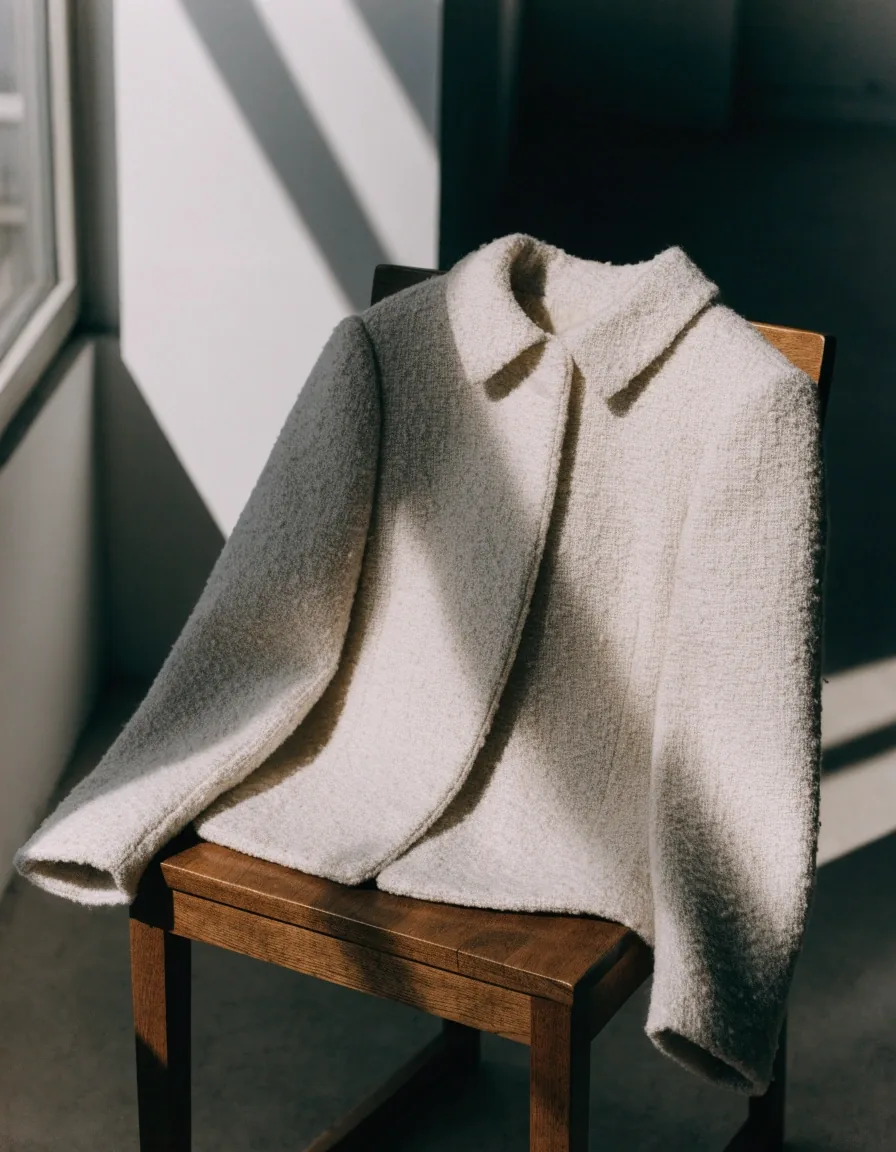
A structured jacket is the most flexible finishing layer in a wardrobe. It goes over a slip, a knit, a T-shirt, or a dress, and it restores a shoulder line when the rest of the outfit has gone soft. Chanel's continued association with bar jackets and softened power dressing in 2026 is the reference: light padding, simple closure, a length that ends near the hip.
If an outfit feels unfinished, this is usually what it is missing. Keep the length near the hip so it can sit over both a slip and a trouser without swallowing either one, and keep the closure simple so the jacket can stay open when the layers underneath are worth showing.
Over a slip
Wear it open so the slip's line stays visible from shoulder to hem.
Over a knit
Choose a shoulder that clears the knit without pulling at the seam.
Over a T-shirt
The simplest pairing; let the jacket carry the structure and keep the tee plain.
Over a dress
A hip-length jacket resets the proportion of a long dress without hiding it.
Pick one element to be loud. A single saturated color, a strong print, an unusual shoe, or a piece of jewelry with real presence. Everything else stays quiet. Dries Van Noten's reputation for artistic textiles and unusual prints is built on this discipline, since the print is allowed to be the whole event.
Two accents cancel each other out. If the shoe and the bag are both trying to be the story, the outfit reads as undecided, and the eye moves on before it registers either one.
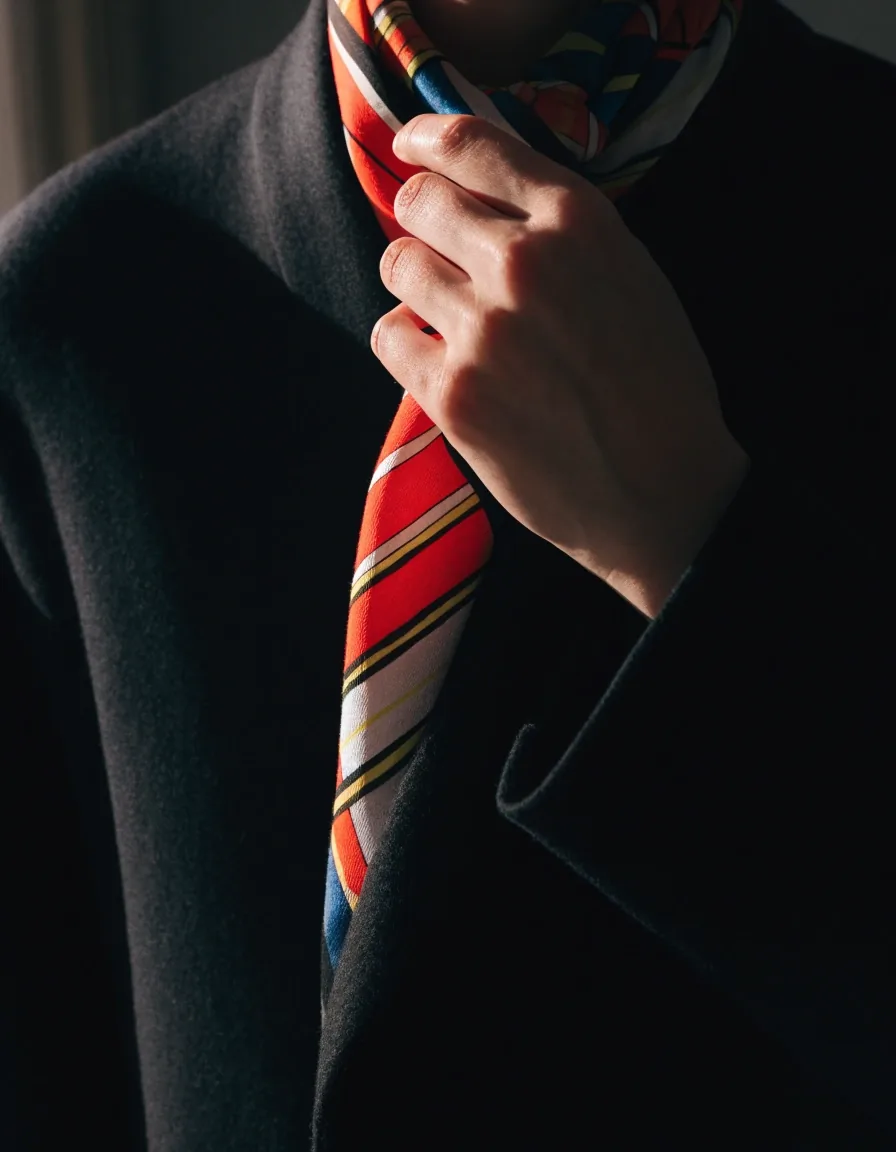
One loud element: the print carries the outfit, the coat stays quiet.
A styling idea that works at a gallery opening may not survive a commute.
Build the outfit around the longest part of your day and adjust from there. If you are on your feet, shoe choice constrains everything above it. If you are in a meeting, the jacket matters more than the print. If the day moves between both, keep the layers light enough to remove one and still look finished.
Our seasonal wardrobe page covers how to keep these pieces working together across the year.
Short answers to the questions that come up most when these notes are put into practice.
Try it with denim before you give up on it. A straight-leg jean in the same volume is easier to judge than a wide-leg trouser, and it tells you whether the problem is the proportion or the fabric. If the denim version works, the idea is sound and the trouser needs a different cut.
One. A saturated color, a strong print, an unusual shoe, or a piece of jewelry with real presence — pick one and let it be the loudest thing in the frame. Two accents cancel each other out, and the outfit stops reading as a decision.
Keep it in the trousers. A close top or a clear shoulder above a wide leg keeps the line intact. Two large elements in one outfit rarely read as intentional, so let the trousers be the one place where the volume lives.
Reach for a structured jacket. It restores a shoulder line when everything underneath has gone soft, and it works over a slip, a knit, a T-shirt, or a dress. Keep the length near the hip so it finishes the outfit without covering the layers you built.
Treat an oversized print as a solid. Keep the silhouette simple and the rest of the outfit quiet, so the print is not competing with construction. Step back and check whether it reads as a shape; if it does, it is doing the same job as a strong color and needs the same restraint around it.
These notes sit alongside the rest of the season's coverage: how silhouettes are cut, which designers are shaping them, and how to keep the pieces working together across the year. If a question about your own outfit is not answered here, send it over and we will work through it in the next round of notes.
Visit us
452 W Broadway, New York, NY 10012, USA
Monday–Friday, 9:00 AM – 6:00 PM
+1-212-555-0198
info@netnugget.com