
Trend report · New York · October 2026
What is shaping fashion trends in 2026
Several directions are running at once this season, and some of them pull in opposite ways. Here is what is driving each one, so you can read the direction instead of memorising individual pieces.
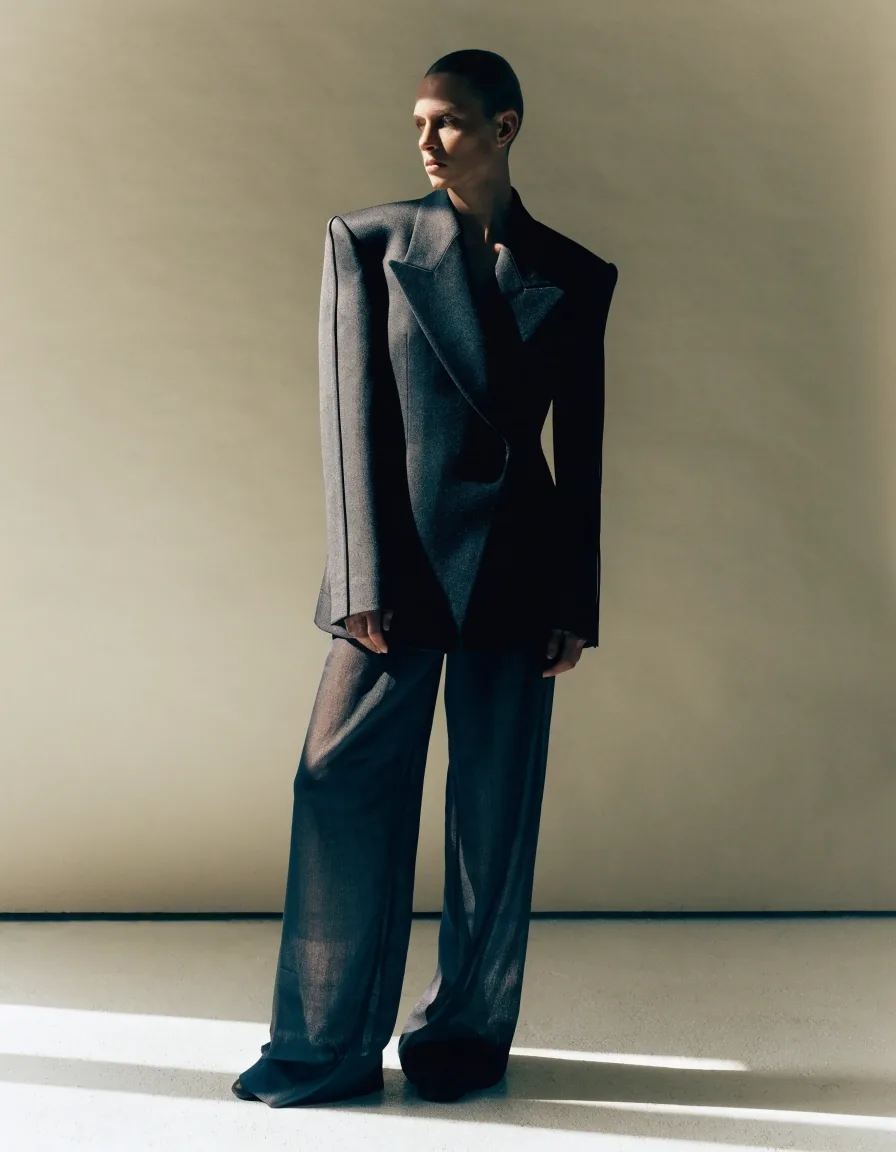
Volume, handled differently
Ease can be structured. A relaxed shape still needs a shoulder line and a hem that agree.
Continued below the cut-off rule
Tailoring has loosened
Lighter padding, a less emphatic waist, and a jacket that moves with you.
Applies to what you already own
Sheer, but layered
Transparency is being built into an outfit, not exposed by it.
Start with one sheer element
Texture does the work
Leather, knit, crisp cotton: surface is the season's common thread.
Build around what you can feel
This season in one line
The season is split between softness and deliberate roughness, and both are built on fabric you can feel rather than on a logo you can read.
Below, each direction is explained on its own terms: what changed, which designers keep coming up in the conversation, and the one practical test that tells you whether the idea is working on a real garment. Nothing here is a shopping list. It is a way to look.
Volume
Volume is being handled differently
The most consistent shift this season is in how designers treat volume. It is no longer only about oversized coats and dramatic sleeves. Dries Van Noten is associated with board shorts in summer 2026 and with a more relaxed approach to silhouette in general, which points to a specific idea: ease can be structured. A relaxed shape still needs a shoulder line and a hem that agree with each other. When they do, the garment reads as considered rather than baggy.
For a reader, the practical test is simple. If a loose piece collapses at the shoulder, it is not the volume that is failing. It is the cut. That distinction matters because it tells you where to look when a garment does not sit right: at the construction, not at the size on the rail.
The same logic explains why some relaxed pieces hold their shape all day and others lose it by the second hour. Structure is doing the work quietly, in the shoulder and the hem, not in the label.
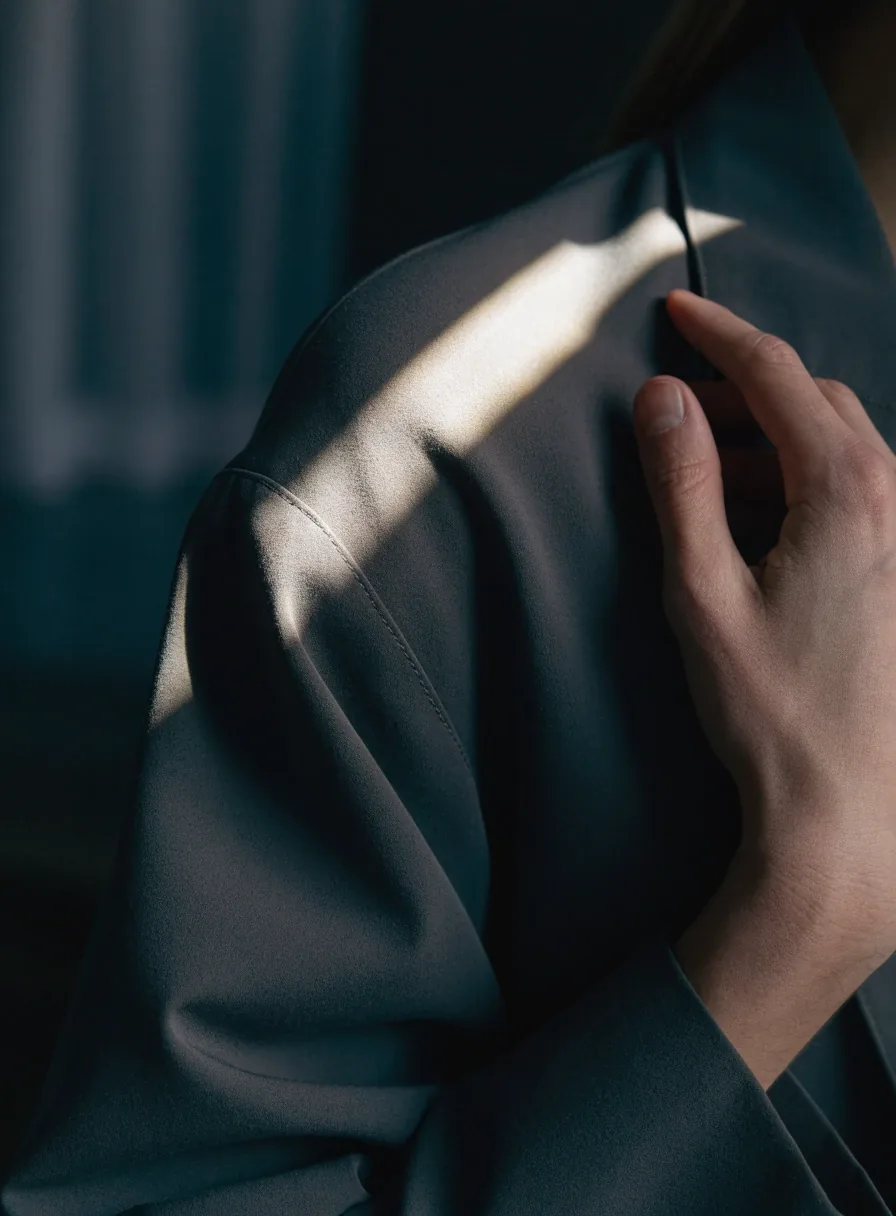
Tailoring
Soft tailoring and the softened shoulder
Tailoring has not gone anywhere. It has loosened.
The bar jacket, the skirt suit, and the structured blazer all still exist, but the padding is lighter and the waist is less emphatic. Chanel keeps appearing in 2026 conversations about skirt suits, bar jackets, and a reworked version of power dressing, and the house showed its pre-fall 2026 collection inside a New York subway station. That setting is not incidental. Tailoring is being presented as something you wear in motion, not something you sit still in.
This is the trend most likely to change what you already own, because a softer jacket can be worn with the trousers you have. You do not need a new set. You need a jacket whose shoulder stops fighting the rest of the outfit.
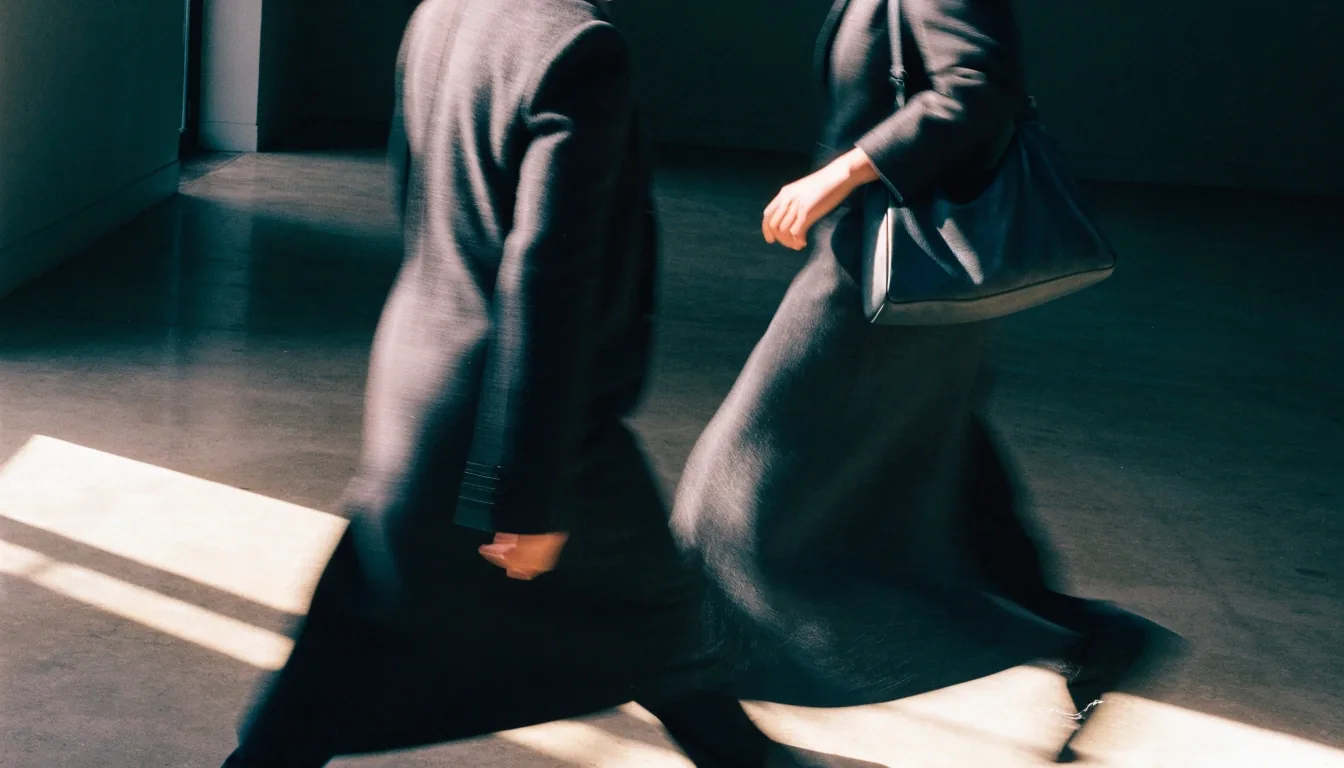
Soft tailoring in movement: lighter padding, a less emphatic waist, and a jacket that reads the same whether you are standing or walking.
Transparency and lingerie-inspired layers
Sheer dressing has moved past the evening-only category. Valentino is tied to lingerie-inspired slips and sheer layering in fall 2026, and the label is often used as an example of a more sensual evening direction. Khaite also turns up in fall 2026 discussions of transparency and layered looks.
The important detail is that transparency is being layered, not exposed. A slip sits under a knit, a sheer panel sits beside something opaque, and the outfit gains depth without losing coverage. If you want to try this, start with one sheer element rather than a fully sheer garment.
Layering, not exposure
A sheer panel next to an opaque one reads as depth. A sheer garment worn alone reads as a different idea entirely, and it is the harder one to get right.
Coverage stays intact
The slip-under-knit combination works in daylight because nothing is being revealed. It is the same principle that makes a sheer sleeve easier than a sheer bodice.
Where to begin
Start with one sheer element. A single sheer layer changes how an existing outfit reads without asking you to rebuild the whole thing.
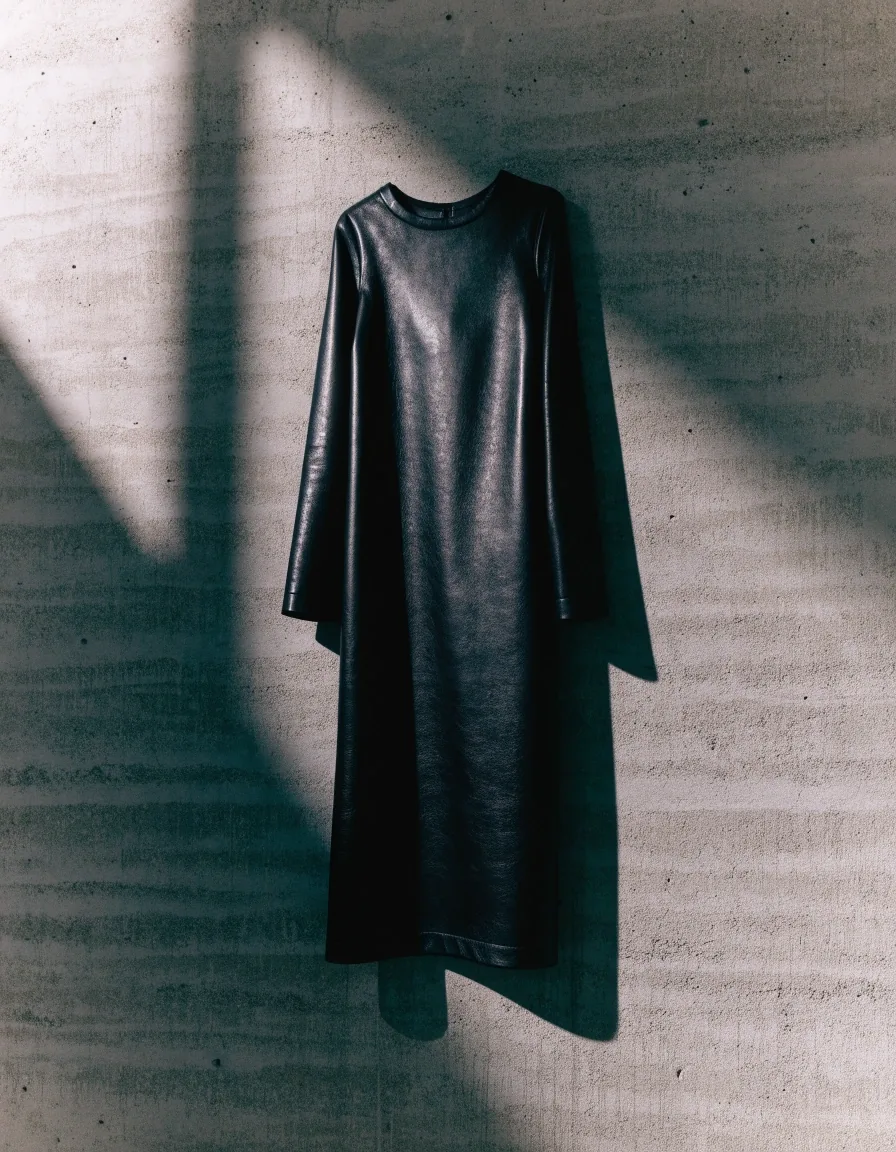
Structure
Leather shifts and clean adult shapes
Bottega Veneta appears among the brands showing chic leather shifts in fall 2026, and the house is generally associated with clean, adult silhouettes and quality texture. A leather shift works because it holds its own shape. There is no drape to manage and no layering required, which makes it one of the more direct ways to wear the season's volume without thinking about proportion all morning.
That is also why the trend has legs. It solves a problem rather than decorating one.
Jagged tears and the move away from polish
Not everything is soft. Prada is linked to deconstruction in fall 2026 and to jagged tears, part of a broader feeling of broken decoration. This is the counterweight to quiet luxury. Where one direction removes detail, this one introduces deliberate imperfection: an unfinished edge, a split seam, a garment that looks handled rather than preserved.
Prada's particular skill is making that difficulty desirable rather than difficult, which is why the label keeps appearing in discussions about fashion stepping back from an overly polished surface.
A leather shift holds its own shape. There is no drape to manage and no layering to plan.
On the season's structure-led pieces, and why they solve a problem instead of decorating one.
Prints, dots and colour
Print is having a specific moment rather than a general one
Khaite is connected to oversized polka dots in summer 2026, which is a good example of a classic motif scaled up until it stops reading as retro. Oversized dots behave almost like a graphic pattern at that size, and they work best on a simple silhouette where the print can carry the whole look.
Colour follows the same logic. One strong element, whether a print or a saturated piece, does more than a scattered palette. Pick the one thing that is loud and let everything else stay quiet around it.
Texture, by material
Leather
Holds a silhouette on its own. Bottega Veneta's reputation for texture sits here.
Sheer fabric
Valentino's sheer layers work as depth when they sit beside something opaque.
Heavy knit
Nanushka's functional layers give a soft shape something to rest on.
Raw edges
Prada's unfinished seams treat imperfection as a deliberate finish.
Fabric is doing the work that logos used to do. When you shop your own closet this season, start by pulling out the pieces with obvious texture and building around them.
Texture as the season's real common thread
Four labels, four different answers to the same question about how a garment should feel. Read them as positions, not as a ranking.
Surface over signal
Leather, sheer fabric, heavy knit, crisp cotton: the labels currently in the conversation all lean on surface. The difference between them is what they ask of you. Leather asks nothing. Sheer fabric asks you to plan one layer. Knit asks you to think about weight.
What to check in a mirror
Turn under a light source and watch where the fabric breaks. Crisp cotton creases and recovers. Heavy knit stretches at the elbow. A leather piece keeps its line. Those are the tells that separate a considered garment from a decorative one.
Why texture replaced logos
A visible mark announces a purchase. A surface announces a decision. That is the shift, and it is why the season reads as quieter even when individual pieces are not.
Where the two directions meet
Soft tailoring and jagged tears can sit in the same outfit. The jacket loosens, the hem stays raw, and the fabric carries both. The rule is that only one of them gets to be loud.
What to do with all of this
You do not need to adopt every direction. Pick one. If you want the season's ease, adjust proportion. If you want the season's sharpness, adjust surface. The two can coexist in one outfit as long as only one of them is loud.
How proportion, shoulder line and hem length change what a garment does on a body.
Proportion
How to place one loud element and keep the rest of the outfit quiet around it.
Styling
Background on the houses and labels named across this season's directions.
References
A season plan that starts from one commitment instead of a full replacement.
Wardrobe
The terms doing the most work this season
Shoulder line
Coverage
Print scale
Structure
Raw edge
Questions readers ask about the season
Which direction should I start with if I only want one change?
Start with volume. Proportion is the change that affects everything else you already own, and it is the one you can test in a mirror in a few minutes. Once the proportion reads right, surface and print become smaller decisions.
Does soft tailoring mean I need to replace my jackets?
No. The point of a lighter shoulder is that it pairs with trousers and skirts you already have. Look at the shoulder first: if the padding is fighting the rest of the outfit, that is the piece to reconsider, not the whole wardrobe.
How do I wear transparency without losing coverage?
Layer it. A slip under a knit, or a sheer panel beside an opaque one, keeps the outfit covered while adding depth. Begin with one sheer element and build the rest of the look around it.
Can soft tailoring and jagged tears appear in the same outfit?
They can, as long as only one of them is loud. A softer jacket with a raw hem works because the volume stays calm while the edge carries the interest. Two loud directions at once reads as unresolved rather than considered.
Read the season one direction at a time
Each guide below goes deeper on one part of this report: how proportion actually works on a body, how to place a loud element without letting it take over, and which houses are behind each direction. If you would rather talk it through, our editors are at the studio Monday to Friday.
Where we are
NetNugget
452 W Broadway
New York, NY 10012
Monday–Friday, 9:00 AM – 6:00 PM
Editorial questions: info@netnugget.com